Agenda-setting intelligence, analysis and advice for the global fashion community.
Agenda-setting intelligence, analysis and advice for the global fashion community.

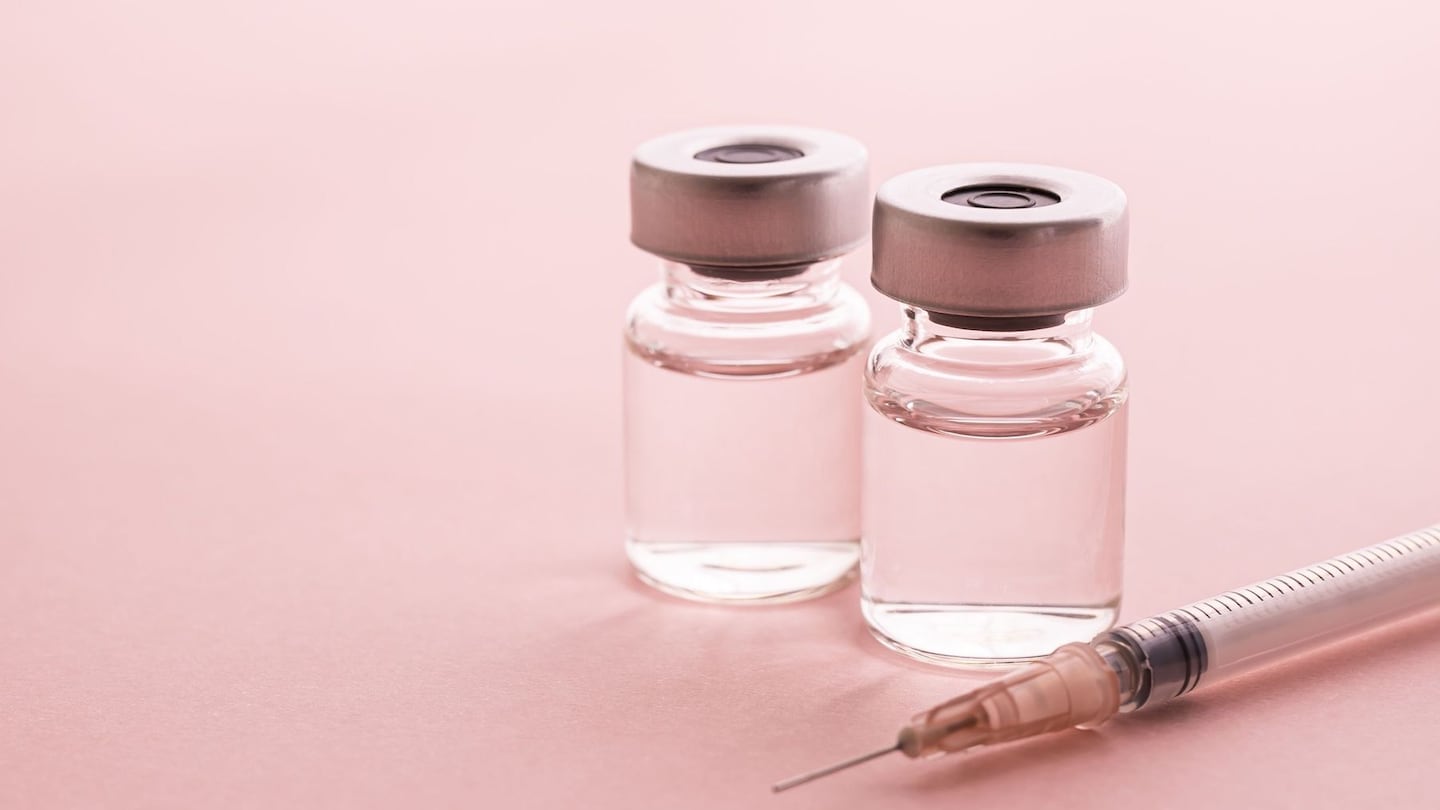
US prices for obesity-treatment pills that Eli Lilly and Novo Nordisk aim to launch next year likely will be on par with their weight-loss injections, analysts and investors say, in a departure from the usual practice of charging more for new medicines despite pressure to cut prices.
Neither drugmaker has disclosed pricing plans for their new daily oral medications. With regulatory approvals and launches still months away, pricing plans could change. Denmark-based Novo expects approval later this year and to launch soon after, while Indianapolis-based Lilly expects to launch by August 2026.
Novo’s Wegovy and Lilly’s Zepbound, administered as weekly injections, are the only highly effective weight-loss drugs targeting the GLP-1 hormone, and the United States is their biggest market. US list prices are about $1,000 per month or more, with both companies offering a monthly supply for $499 to customers paying cash rather than using health insurance.
Both companies have said they developed oral weight-loss drugs to meet patient needs and widen access to the market, mindful that some people are averse to injections.
ADVERTISEMENT
The pills, however, are not more effective than the injections. Lilly said this month its pill orforglipron cut weight by 12.4 percent after 72 weeks in a trial. That compares with weight loss of 15 percent for Novo’s daily oral semaglutide. Both trail Lilly’s injection at up to 21 percent.
UBS analyst Trung Huynh said that will cap Lilly’s pricing. The price is “probably going to come on par with the current drugs today or slightly lower,” Huynh said.
TD Cowen analyst Michael Nedelcovych said he expects Novo’s pill to debut near Wegovy’s price, citing the precedent of its diabetes pill Rybelsus being priced at parity with injection Ozempic, the diabetes-treatment version of Wegovy. Novo executives told analysts this month they were not in a hurry for discount pricing for the new pill.
Oral GLP-1 drugs will fill a niche rather than displace injections, according to analysts. TD Cowen estimates that pills will account for a percentage share of the global obesity drug market in the mid-teens by 2030, which could reach $150 billion by then.
US doctors, patients and insurers are pressing for lower prices to make the weight-loss drugs more affordable for the 40 percent of Americans who are obese. Typically, drugmakers launch new drugs at higher prices, citing scientific advances. President Donald Trump and lawmakers from both parties have urged the companies to reduce US prices.
Novo declined to comment on pricing, pointing to Aug. 6 comments by David Moore, its US operations head, saying that the company may tap customers paying cash directly via its new NovoCare pharmacy, which was launched this year to sell Wegovy outside of insurance.
A Lilly spokesperson called it premature to comment on pricing and launch plans for its pill because the company has not yet submitted data for regulatory approval.
Peak annual sales forecasts for Lilly’s orforglipron fell to as low as $10 billion after its trial data from earlier estimates of up to $30 billion, according to a Reuters review of analyst estimates. HSBC forecasts $15 billion in peak annual sales for Novo’s pill, while Barclays expects only $1 billion.
ADVERTISEMENT
A key question is how much supply will be available at the time of launch. Shortages of injectable GLP-1s in 2023 and 2024 opened the US market to cheaper compounded versions as the manufacturers failed to anticipate the huge demand.
“It’s all about scale and pricing,” said Kevin Gade, portfolio manager at Bahl & Gaynor, which owns Lilly shares.
Gade pointed to Novo’s manufacturing challenge. The pill form requires about 75 times more active ingredient than the highest-dose Wegovy injection, two analysts told Reuters.
Lilly has said it already has $808.5 million in orforglipron inventory for next year’s expected launch. Novo has said it will launch its pill without supply constraints after billions of dollars in investment to expand semaglutide production.
Despite the high production needs, Novo is unlikely to debut its pill at a higher price than Wegovy, said Karen Andersen, healthcare strategist at Morningstar.
“Particularly in the growing cash-pay market, I doubt it can risk a launch at a premium to Wegovy,” Andersen added.
By Maggie Fick and Bhanvi Satija; Editors: Caroline Humer and Will Dunham
Sign up to The Business of Beauty newsletter, your complimentary, must-read source for the day’s most important beauty and wellness news and analysis.
The experimental drug, orforglipron, led to weight loss of nearly 8 percent at the highest dose, besting Wall Street expectations and sending Lilly’s shares up.
GLP-1 weight-loss drugs like Wegovy and Zepbound are revolutionising obesity treatment and generating billions for their makers, but challenges including high costs, insurance coverage issues, drug shortages, and competition from copycats could impact their widespread success.
From supplements to workout plans, the term GLP-1, the hormone associated with Ozempic, is popping up on a widespread range of new products as wellness brands join in on the weight loss drug boom.
The American cosmetic giant’s buyout of Ayurvedic beauty line Forest Essentials came as a surprise. By picking an under-the-radar brand it knows well, the company can show that it’s still in the M&A game without needing to outbid rivals.
The luxury Ayurvedic skincare line will be the first deal by the conglomerate under the leadership of Stéphane de La Faverie.
By introducing a new version of her Magic Cream, Tilbury joins a number of other brands, from Armani and Olaplex, wading into the tricky waters of reformulation.
As the aesthetics industry shifts towards longevity, Swiss company Teoxane is leveraging a unified scientific platform to bridge the gap between injectables and skincare. BoF sits down with chief operating officer Can Ongen to learn more.
Christine Hunsicker admitted she falsified financial statements to promote CaaStle Inc. as a valuable, growing business when in reality it was struggling.
The American cosmetic giant’s buyout of Ayurvedic beauty line Forest Essentials came as a surprise. By picking an under-the-radar brand it knows well, the company can show that it’s still in the M&A game without needing to outbid rivals.
The underwear company is anticipating net sales of at least $6.85 billion in the current fiscal year, exceeding analyst estimates and marking the highest revenue since its split from L Brands Inc in 2021.
The Japanese brand is accelerating its expansion in India to capture a greater share of the rapidly growing apparel market and affluent consumer base.


